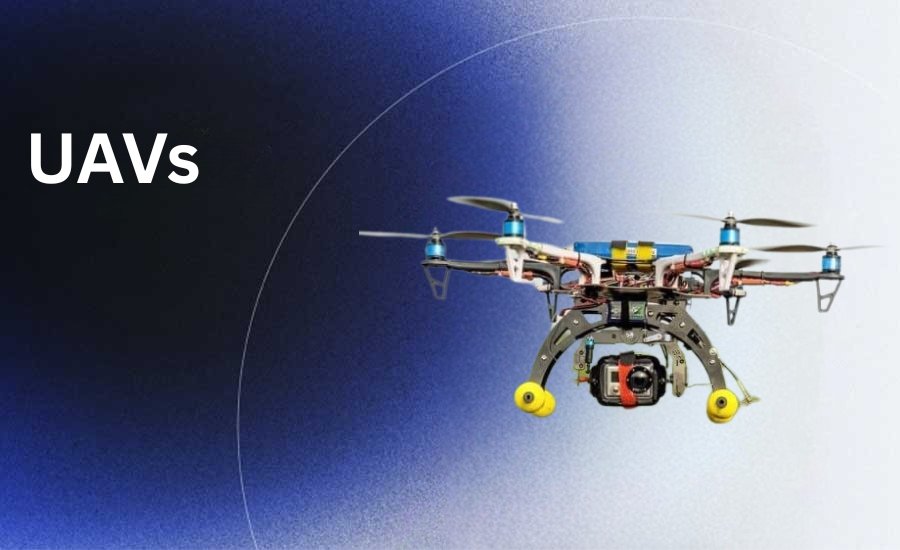
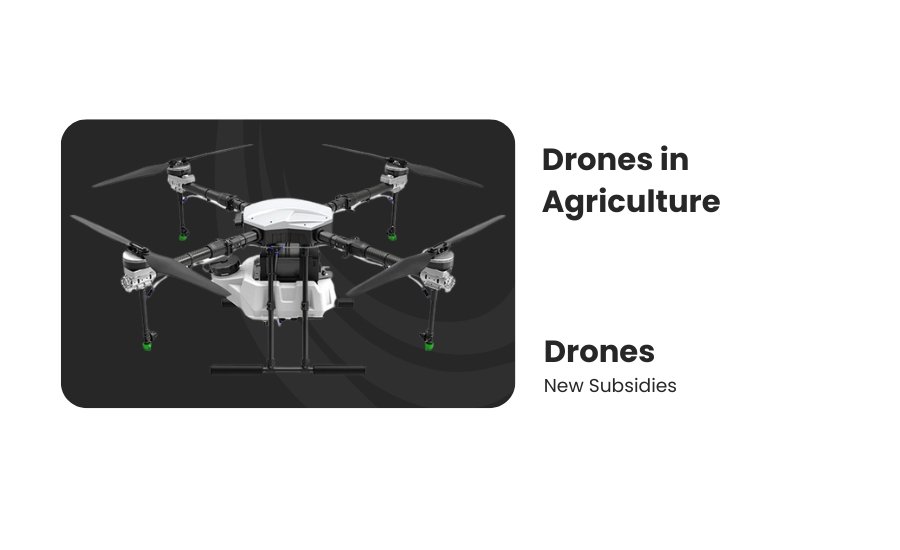
Before a drone can legally fly in Indian airspace — whether it’s for agriculture, logistics, surveillance, or mapping — it must be declared airworthy by the authorities. But what exactly does “airworthy” mean in the context of UAVs, and how does a drone meet those expectations?
In simple terms, an airworthy drone is one that is built, tested, and certified to perform its intended flight operations safely, reliably, and within the regulatory norms defined by the DGCA (Directorate General of Civil Aviation). This isn’t just about whether the drone can take off — it’s about whether it can handle mission-critical conditions without compromising public safety.


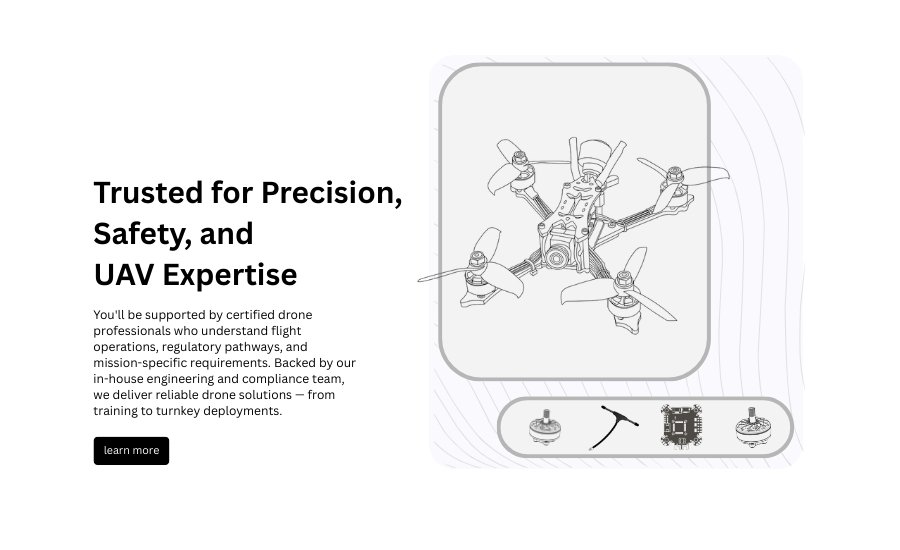
The airworthiness certification process in India involves multiple layers of technical review, environmental testing, and performance verification. Each component — from motors, ESCs, and flight controllers to frames, antennas, and payload mechanisms — must pass quality and durability benchmarks.
Blades may spin, and wings may hum,
But law asks more before they come.
A craft must earn its right to soar,
With proof and test from core to core.
Through specs and scans, each flaw refined,
A drone is judged in form and mind.
- Schematics mapped with engineer’s eye.
- Motors tried 'neath heated sky.
- Controllers trained in failsafe play.
- Interference ruled away.
- From field to file, all data sound.
- A flight is safe when trust is bound.
At ARIES, we guide drone manufacturers and integrators through this rigorous process. It starts with design documentation, including CAD drawings, materials data, and electrical schematics. Next comes flight testing — evaluating parameters like stability, redundancy, return-to-home accuracy, and geofencing capabilities.

A key requirement is EMI/EMC testing, which ensures that the drone does not interfere with or get disrupted by other communication systems. This is crucial when operating near populated areas or sensitive zones. Additional stress tests under varied wind, temperature, and payload conditions are conducted to prove real-world resilience.
Once all technical validations are cleared, a final dossier is submitted to the DGCA for Type Certification, proving the drone’s readiness for commercial operations.
Airworthiness is not a one-time check—it’s a culture of precision. Every bolt tightened, every wire insulated, every parameter calibrated contributes to a drone’s legal and operational integrity.
If you’re looking to launch a drone model into the Indian market, airworthiness certification is your gateway. And with ARIES, you don’t just meet the bar — you set it.