Key takeaways
- After 12th you can choose to fly, specialise or build: RPC pilot, FPV or drone engineering.
- RPC training needs 10th pass and age 18 or above, so 12th pass students already qualify.
- FPV Build and drone engineering list 12th pass with technical aptitude.
- We do not guarantee employment, so pick a path you want to work in.
Three natural directions
Students after 12th usually fall into one of three groups: those who want to fly, those who want to specialise in a style of flying, and those who want to build drones. Each has a matching course path.
Path 1: DGCA RPC pilot
This is the route to flying commercially. The Small Class RPC is 5 days (about 25 to 30 hours) and costs ₹13,551 + GST (₹15,990 incl.). Eligibility is 10th pass and age 18 or above, so you must be 18 before you enrol.
Once certified, add a specialisation such as agriculture operations or survey and mapping to work in a specific industry.
Path 2: FPV flying
FPV is first-person-view flying, used for cinematic and high-agility work. FPV Pilot Training is a flying-only course of 5 working days (₹19,322 + GST (₹22,800 incl.)) for learners aged 18 or above with 10th pass. FPV Build & Fly (₹25,169 + GST (₹29,699 incl.), 10 working days) adds assembly, Betaflight configuration and a capstone project, and lists 12th pass with technical aptitude.
Path 3: drone engineering
The Drone Engineer Advanced Program is 25 working days and costs ₹49,907 + GST (₹58,890 incl.). It covers UAV systems, hardware integration, flight controllers, sensors, telemetry and a final project, and is suited to 12th pass students with strong skills, and diploma or BE holders in technical fields.
Skills that help in every path
- Comfort with rules, airspace and safety, which the free theory class introduces
- Basic electronics and mechanical curiosity
- Clear record-keeping: flight logs and checklists
- Patience for practice, simulator time included
A word on jobs
Drone work is real and growing, but no course can promise you a job. Choose the path that matches the work you want to do, start with the free class if you are unsure, and talk to a counsellor about your goals.
RelatedTalk to a counsellor →
How to choose between the three
- If you enjoy flying and want to work with clients: start with the Small Class RPC.
- If you love fast, cinematic flying: look at FPV Pilot Training first.
- If you like building and fixing things: drone engineering is the better fit.
- If you are unsure: the free 2-day theory class is the cheapest way to find out.
Frequently asked questions
Can I start after 12th?
Yes. RPC brochures specify 10th pass and age 18 or above, and FPV and engineering list 12th pass.
Do I need a science background?
Not for pilot training. Engineering courses do favour technical aptitude.
Which path is best?
It depends on whether you want to fly, specialise or build. The free class helps you decide.
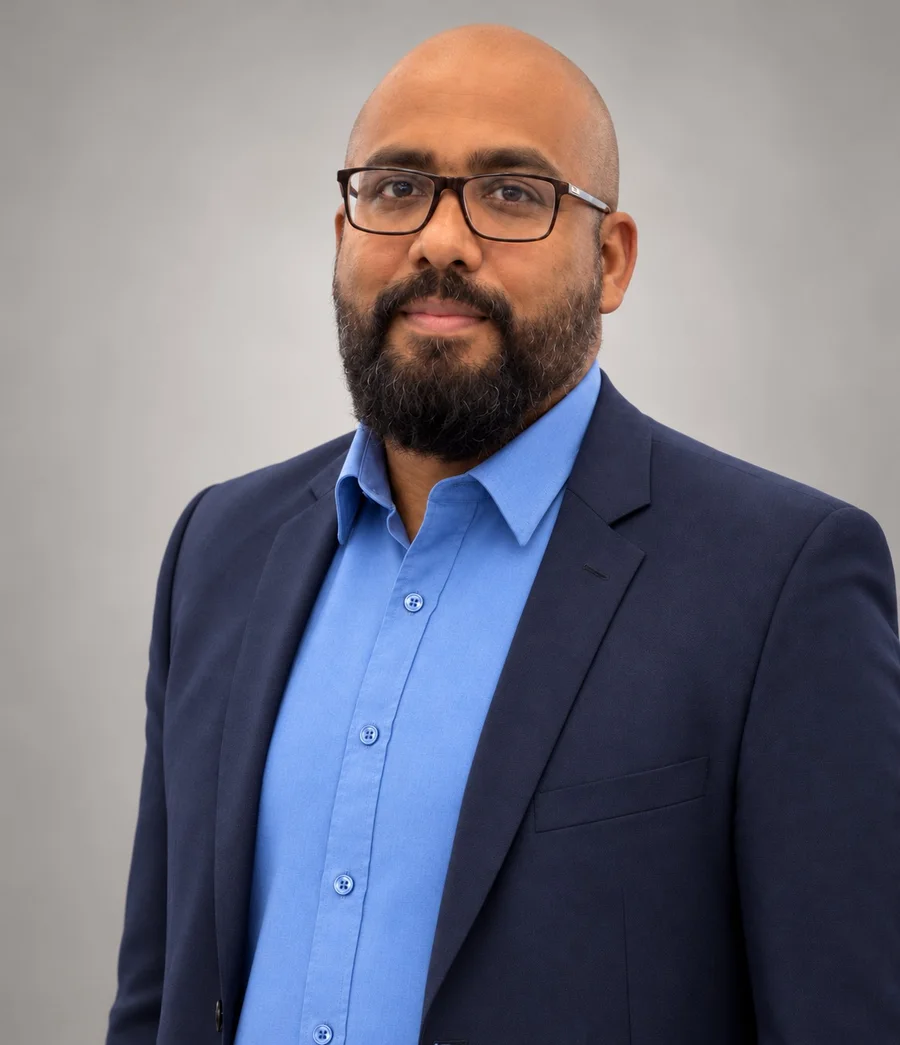
Written by
Sakthivelan Ravindranath Tagore
Founder, Aerobot Labs
Aerobot Labs is a DGCA-approved RPTO in Chennai, training pilots, operators and drone engineers.