Key takeaways
- You need to be 18 or older, with an upper age of 65 under the Drone Rules, and 10th pass.
- The RPC is issued by an approved RPTO after training and a proficiency test.
- A passport is not compulsory. Other government ID and address proof works.
- The certificate is class-specific: Small up to 25 kg, Medium 25 kg to 150 kg.
Eligibility
The published RPC brochures specify 10th pass and age 18 or above. The Drone Rules also set an upper age limit of 65 years. You must also complete training at a DGCA-approved RPTO.
- Age: 18 to 65 years
- Education: 10th pass
- Training: complete the prescribed course at an approved RPTO
- Assessment: pass the RPTO's proficiency test
Documents to keep ready
Since the Drone (Amendment) Rules, 2023, an Indian passport is no longer mandatory. Other government-issued identity and address proof can be used instead.
- Government-issued photo ID
- Address proof
- Proof of 10th class pass
- Passport-size photographs, as your RPTO requests
The process, step by step
- Choose your class: Small up to 25 kg or Medium 25 kg to 150 kg.
- Enrol with a DGCA-approved RPTO and submit your documents.
- Complete training. Our Small and Medium courses are each 5 days (hybrid): theory, simulator and outdoor flying.
- Pass the proficiency test and assessments.
- Receive your Remote Pilot Certificate from the RPTO.
What the certificate covers
Our certificates read DGCA Remote Pilot Certificate (Small Class, up to 25kg) and (Medium Class, 25kg to 150kg). Under the Drone Rules, an RPC is valid for up to 10 years. Fees are ₹13,551 + GST (₹15,990 incl.) for Small and ₹16,941 + GST (₹19,990 incl.) for Medium.
Check the current Drone Rules on Digital Sky for any medical requirement and renewal details, and ask your RPTO what it expects at enrolment.
RelatedDGCA drone pilot training in Chennai →Small Class RPC training →Medium Class RPC training →
Free preparation first
If the rules feel unfamiliar, start with the free 2-day theory class. It introduces DGCA basics, drone categories and airspace before you enrol.
When you do not need an RPC
Eligibility questions often start with whether you need the certificate at all. Under the Drone Rules, nano drones, and micro drones flown for non-commercial purposes, do not need one. Commercial flying with anything above nano, and any small or medium drone, does.
Choosing an RPTO you can trust
Because the RPTO trains you, tests you and issues your certificate, the choice matters. Look for a published syllabus, a clear day-by-day structure, simulator and field training, and fees stated openly with and without GST. Ask whether the course leads to a DGCA Remote Pilot Certificate or only the academy's own certificate.
Frequently asked questions
What is the minimum age for the RPC?
18 years. The Drone Rules also set an upper age limit of 65 years.
Is a passport needed?
No. Other government-issued identity and address proof can be used since the 2023 amendment.
Who issues the certificate?
An authorised RPTO issues the Remote Pilot Certificate after training and the proficiency test.
How long is the RPC valid?
Up to 10 years under the Drone Rules, with renewal as the rules provide.
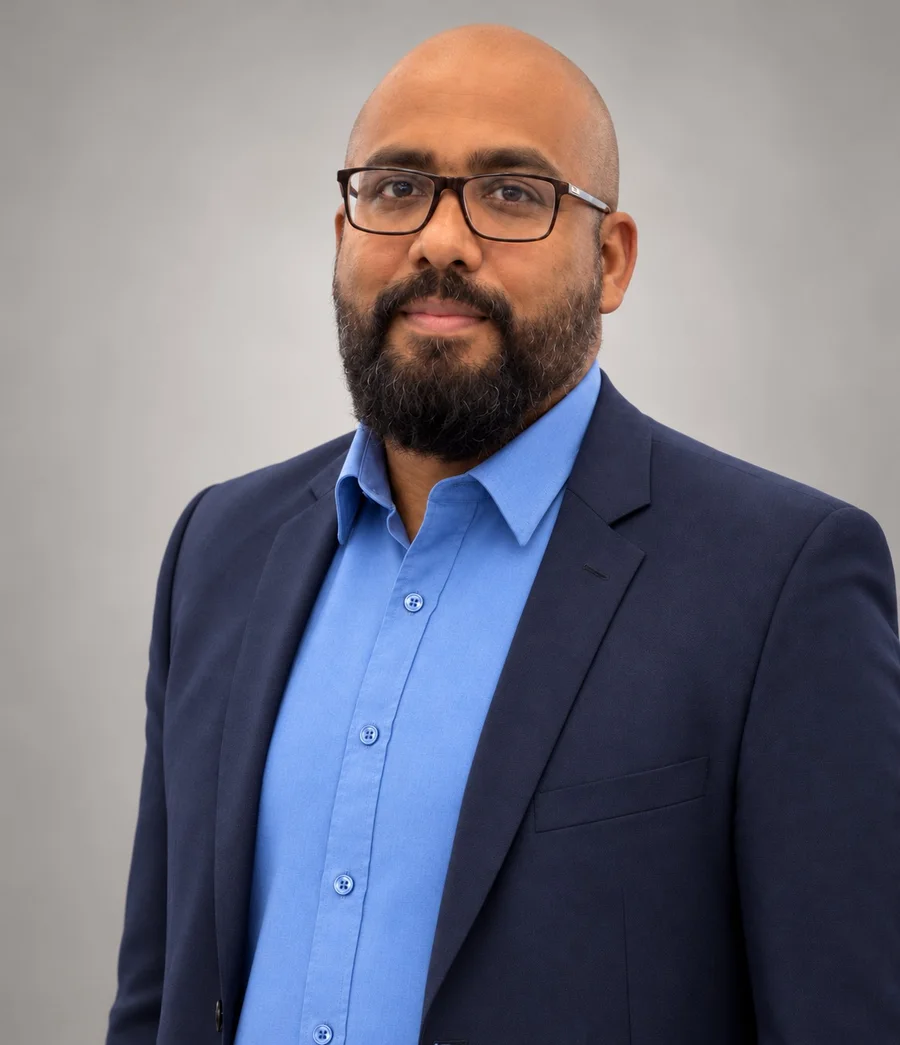
Written by
Sakthivelan Ravindranath Tagore
Founder, Aerobot Labs
Aerobot Labs is a DGCA-approved RPTO in Chennai, training pilots, operators and drone engineers.